
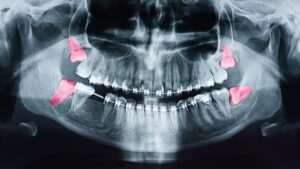
Wisdom teeth are the final set of molars that typically develop in the late teenage years or early adulthood. Because they are so common, many people assume that everyone has wisdom teeth. However, this isn’t always the case. Some people have fewer wisdom teeth than expected, and others may not develop them at all.
Understanding why wisdom teeth vary from person to person can help explain why some people need them removed while others never experience issues.
What Are Wisdom Teeth?
Wisdom teeth are also called third molars. They are located at the very back of the mouth, behind the second molars. Most people can develop up to four wisdom teeth, one in each corner of the mouth.
These teeth were likely more useful for our ancestors, whose diets included tougher foods that caused more wear on teeth. Extra molars helped them chew coarse foods like roots, nuts, and raw meats.
Today, modern diets and smaller jaw sizes often make wisdom teeth unnecessary, which is why they frequently cause crowding or become impacted.
Some People Don’t Develop Wisdom Teeth
Although many people develop four wisdom teeth, it’s not unusual for someone to have fewer. Some individuals may develop only one, two, or three wisdom teeth.
In some cases, a person may not develop wisdom teeth at all. This usually occurs due to genetics and natural variation in human development. For these individuals, the wisdom teeth simply never form beneath the gums.
Dentists can determine whether wisdom teeth are present by taking dental X-rays, which reveal developing teeth that may not yet be visible.
When Wisdom Teeth Cause Problems
For people who do develop wisdom teeth, there may not always be enough room in the jaw for them to erupt properly. When this happens, the teeth may grow at an angle, become trapped beneath the gums, or push against nearby teeth.
These situations are known as impacted wisdom teeth and can lead to pain, swelling, infection, or crowding of other teeth.
If problems occur, a dentist or oral surgeon may recommend removing the wisdom teeth to protect your oral health.
Monitoring Wisdom Teeth
Even if wisdom teeth are not causing immediate discomfort, dentists often monitor them closely through regular checkups and X-rays. This allows potential issues to be identified early before they lead to more serious complications.
Some people keep their wisdom teeth for life without any problems, while others may need them removed as a preventive measure.
While wisdom teeth are common, not everyone develops them. Genetics, jaw size, and natural variations in development all play a role in whether these third molars appear. Regular dental visits allow your dentist to monitor your wisdom teeth and determine whether they require attention.
About the Author
Dr. Hiren Patel earned dental degrees both from India and the University of Colorado School of Dental Medicine. Since then, he has completed over 500 hours of continuing education, including extensive hands-on training in dental implant surgeries. He also attended a preceptorship through the University of Texas at San Antonio. Today, Dr. Patel stays current in his field through memberships in the American Dental Association, the Academy of General Dentistry, and the Texas Dental Association. If your wisdom teeth need removed, we’d love to help you. Book online or call (210) 590-2736.